Phylakopi
The Ephorate of Antiquities of the Cyclades maintains a page on Phylakopi of Milos: excavation history, finds and visiting information. Check that page for whether the site is open on your date. It is not a five-minute photo stop from a moving car. Build time, water and a sun hat, and say if you want it on a chauffeur day so the route is not only beaches.
Ancient Theatre
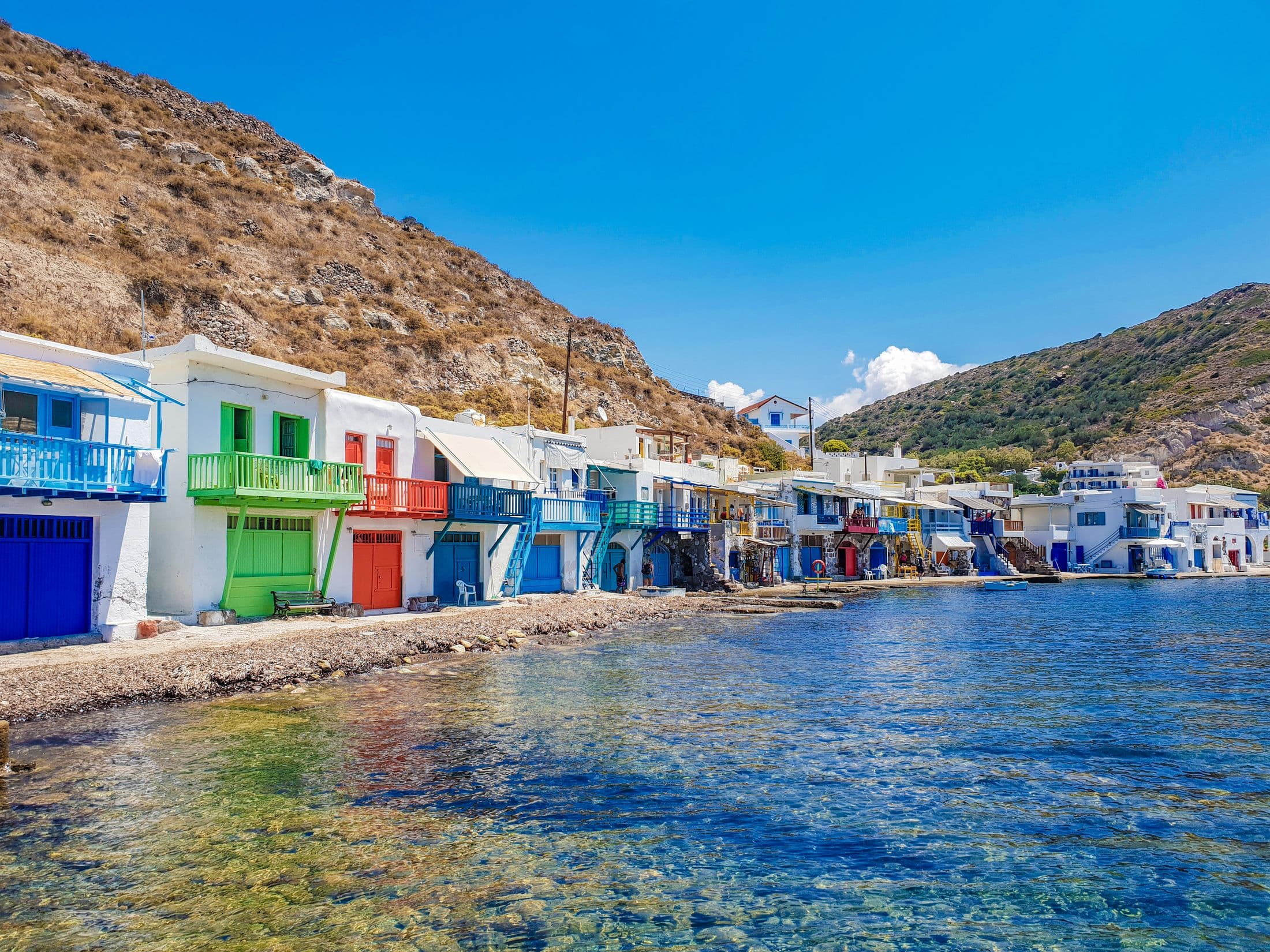
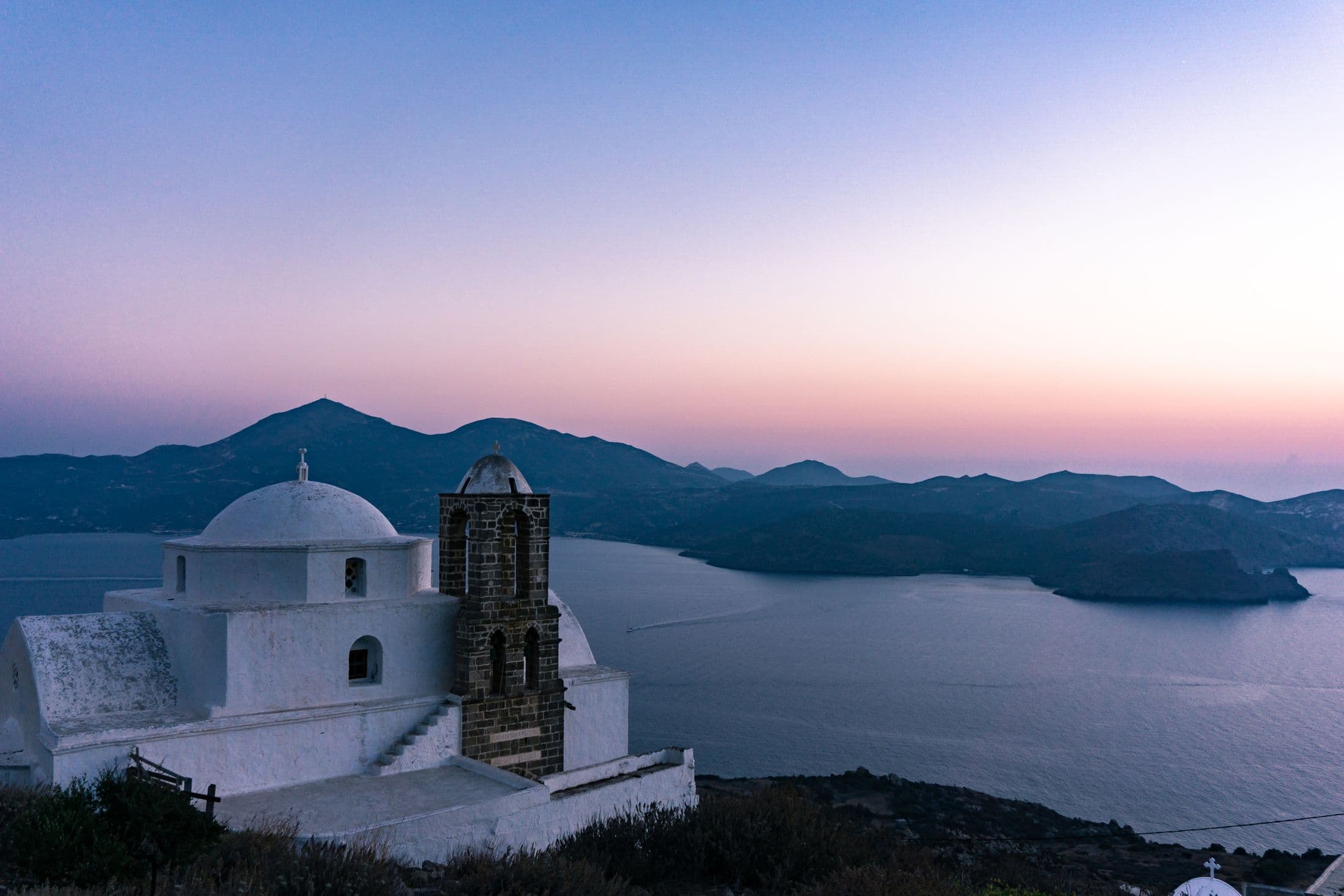
Listed by the Ministry of Culture. It pairs geographically with Trypiti, Plaka and Klima. Confirm hours before you promise anyone a visit. The highlights tour already threads this hill; extra waiting at a closed gate is avoidable if you check.
Venus de Milo
The statue was discovered on Milos in the nineteenth century and left the island. Replicas stand in public view; the original is in Paris. Local museums interpret the find — check current displays rather than assuming a particular room is open. A transfer can include a museum stop if you name it and the hours work.
Common questions
Are tickets sold by Elysium?
Sources and last check
- Ephorate of Antiquities of the Cyclades: Phylakopi (opens in a new tab) — checked 2026-09-20
- Ministry of Culture: Ancient Theatre of Milos (opens in a new tab) — checked 2026-09-20
- Visit Greece: Milos (opens in a new tab) — checked 2026-09-20
- Wikipedia: Venus de Milo (opens in a new tab) — checked 2026-09-20
Third-party schedules, opening times and prices change. Check the current source before you travel. This page has not yet been reviewed by the operator.